Home Window Tint: Save Energy & UV
Home Window Tint: Save Energy & UV
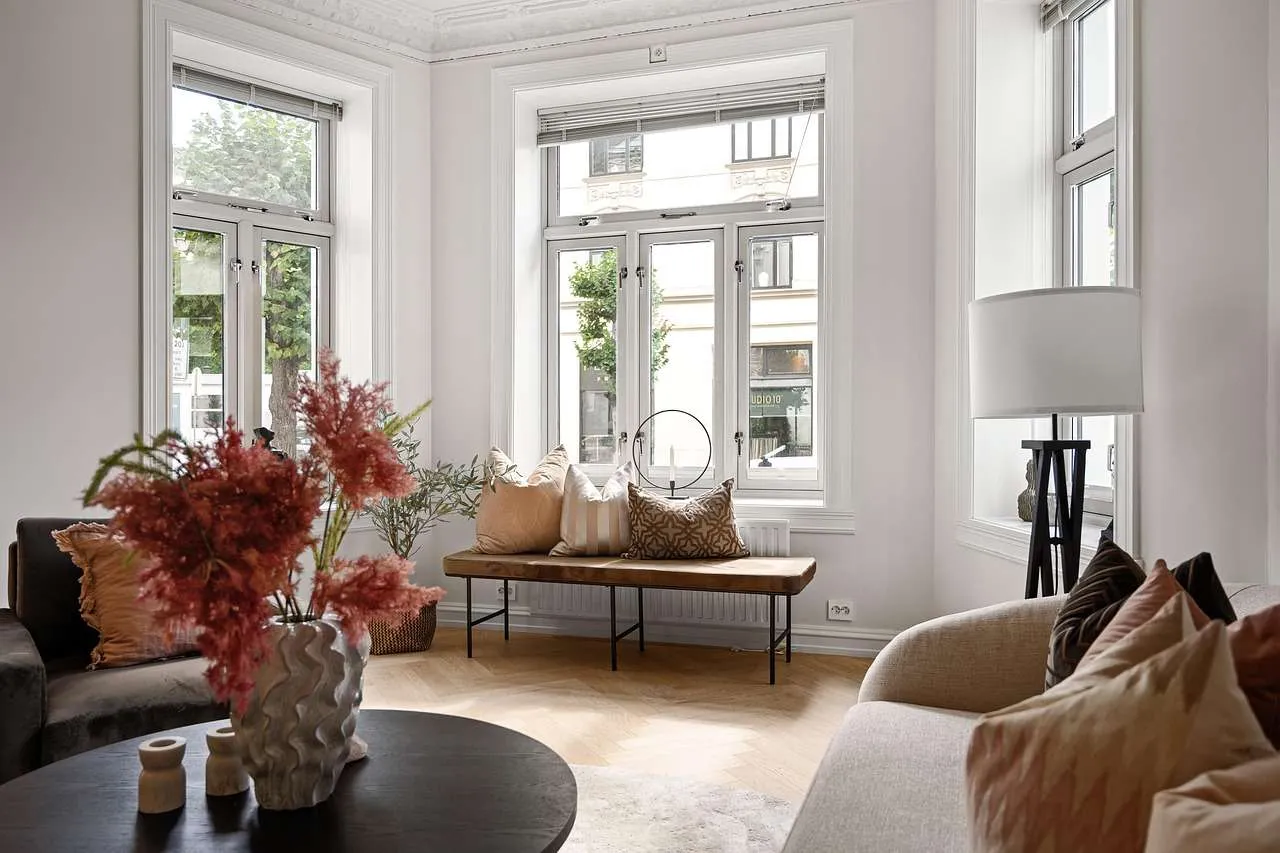
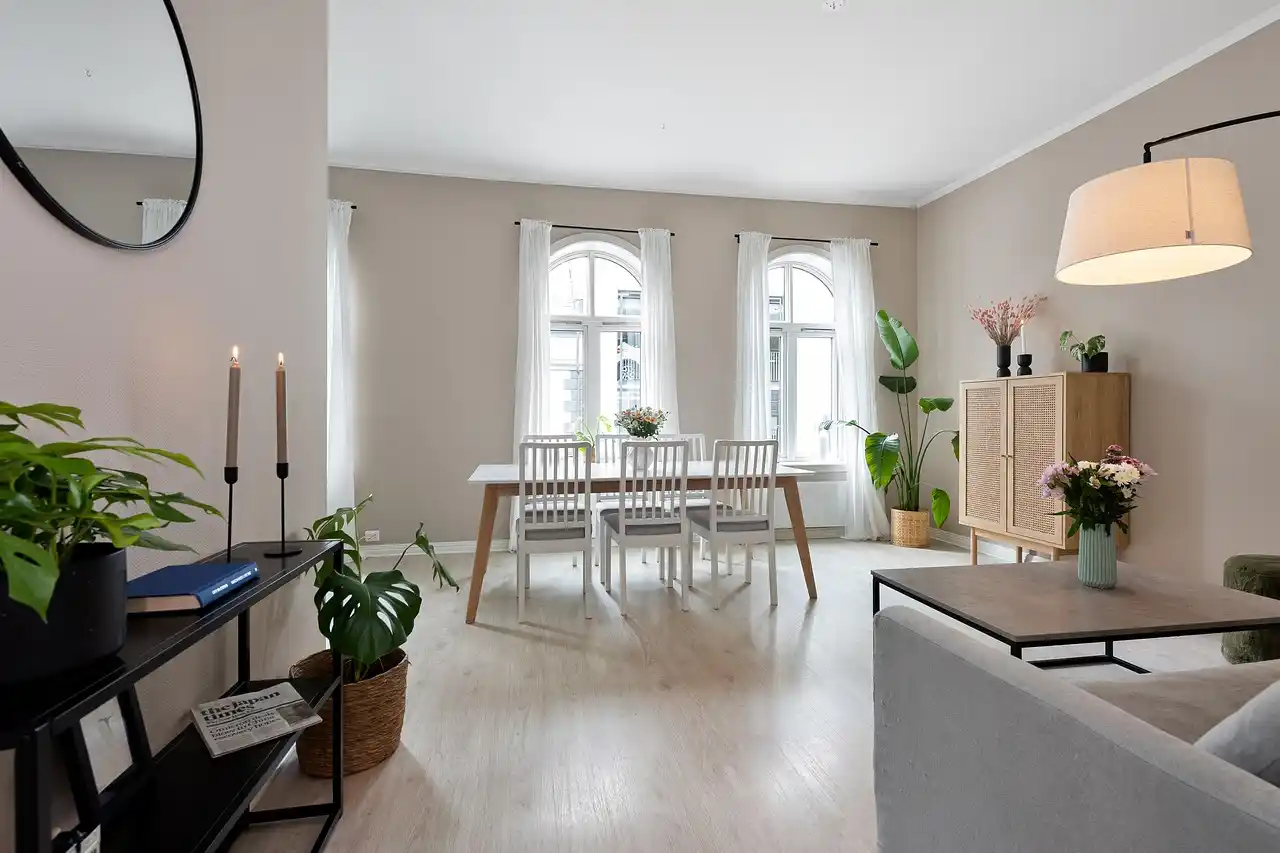
Home window tint is a thin film applied to glass that lowers heat gain, reduces glare, and blocks UV rays while preserving your view. For homeowners, it is a practical upgrade that can improve comfort, protect furnishings, and lower energy bills. This guide explains what to know about home window tint, how to choose the right film, installation options, and maintenance tips, drawing on industry experience and reputable sources.
Benefits of home window tint
- Energy savings by reducing solar heat gain
- UV protection that helps prevent fading of carpets and furniture
- Glare reduction for more comfortable interiors and fewer screen reflections
- Privacy without sacrificing daylight
- Protection of interior finishes and improved HVAC efficiency
Types of home window tint
Dyed films
Dyed films are among the most affordable options. They absorb heat and reduce glare but can be less durable over time and may show color fading in strong sun. They provide good privacy when installed on lower floors.
Metalized films
Metalized, or metal films, improve heat rejection and glare control and can offer strong privacy. However, they may interfere with electrical signals or GPS and can appear reflective from the outside during daytime.
Ceramic and carbon-ceramic films
Ceramic films are high-performance options that reject heat effectively while preserving color neutrality and exterior visibility. They tend to be more expensive but rarely interfere with signals and offer excellent durability.
Carbon and other specialty films
Carbon-based films balance aesthetics and performance with good heat rejection and minimal reflectivity. They provide a matte look that disguises dirt and fingerprints well.
How to choose the right home window tint
Choosing the right film depends on climate, orientation, window type, and your goals. Consider these factors:
- SHGC and VLT: Aim for a low to moderate SHGC (0.25–0.40 for sunny climates) and a visible light transmission that keeps interiors bright (often 30–60%).
- Privacy vs. daylight: Higher tint levels increase privacy but can reduce natural light and color accuracy.
- Aesthetics and resale: Choose a tint that complements exterior appearance and interior design.
- Maintenance and warranty: Look for scratch resistance, warranty length, and reputable installers.
Installation options: DIY vs professional
Most homeowners see the best results when a trained installer handles the job, especially on large windows or glass with curved edges. DIY kits exist, but improper handling can cause bubbles, dust, or edge peels that undermine performance.
| Tint Type | Heat Rejection | UV Rejection | Glare Reduction | Privacy | Typical Cost |
|---|---|---|---|---|---|
| Dyed films | Moderate | Good | Moderate | Medium | Low |
| Metalized films | High | Excellent | High | Medium | Medium-High |
| Ceramic films | Very High | Excellent | Excellent | Low | High |
| Carbon films | High | Very Good | High | Low | High |
Maintenance and care
Clean tinted windows with a soft microfiber cloth and a mild, non-ammonia cleaner. Avoid abrasive scrubbing or window scraping that can scratch the film. Allow any installation to cure per the installer’s guidance, usually 3–7 days for full adhesion.
Cost, ROI, and warranties
Expect a wide range in price depending on film type, window size, and local labor rates. Typical residential installations range from $5 to $12 per square foot for DIY materials, and $8 to $16 per square foot for professional installation. ROI comes from energy savings, extended furniture life, and improved comfort, often visible within a few heating seasons. Most reputable films include a warranty against bubbling, peeling, or delamination for 5–15 years.
Legal considerations and disclosures
Before tinting, check local regulations on reflectivity, visible light transmission, and restrictions in certain rooms, such as bathrooms. Some jurisdictions limit how dark the tint can be on the front side windows or require signage for installation.
Conclusion
Conclusion, home window tint offers meaningful benefits for energy efficiency, UV protection, and comfort. By understanding tint types, selecting appropriate specifications, and using a qualified installer, homeowners can achieve durable performance with minimal visual impact.